
How to recognize and prevent dehydration in children?
Beach, pool, sun...be attentive to your child's hydration!
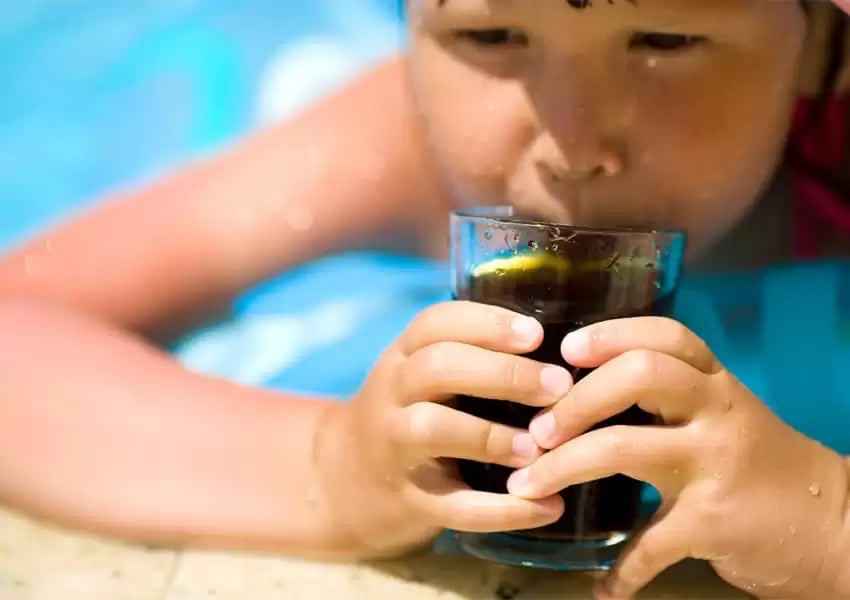
Discover our tips to best protect your child in summer
What is dehydration?
Water is the primary component of our body. It is fundamental for the proper functioning of our body. The level of body hydration is crucial for children's health as they are more exposed to water losses. 💧
Certain factors such as physical activity, a metabolism that leads to excessive sweating, exposure to high temperature or exceptionally diarrhea or vomiting, cause and accelerate dehydration. High body temperature, especially in case of fever, increases water needs. Gastroenteritis is a frequent cause of dehydration in babies and infants. 🤒
So, what are the signs of dehydration in children? What to do if your little one is dehydrated? How to prevent dehydration? It is essential to identify the risks and causes for proper management.
In this article Plouf, your specialist in Floating swimsuit for children, shares some tips to prevent and act against dehydration.
Symptoms of dehydration in children
Having a dry mouth, being thirsty, and having a headache are basic symptoms of dehydration. Dryness of the oral mucous membranes is an important symptom of dehydration, especially in infants and babies. However, it is not the only one, and children do not always have the ability either to speak or to be aware of it. 🧏🏽
You will also pay attention to their lips. Indeed, dry lips are a sign that should alert you. Also and especially, the elasticity of their skin. When you gently "pinch" it, it should return to place.
Check if your child shows a loss of strength and/or seems tired. Check these signs especially after continuous episodes of diarrhea or vomiting. It is highly likely that the child is dehydrated. 😴
Also, weight loss: it ranges between 1 and 5% for early dehydration and more than 5% in cases of severe dehydration. ⚖️
🏥 The decrease in urine and tears is also a symptom to watch for. In this case, it is an emergency. It is advised to seek emergency consultation. Shock is a serious complication of dehydration requiring immediate care.
The diagnosis of dehydration is based on symptom assessment, especially in infants and babies. It is important to remember that the loss of electrolytes and milk (in breastfed infants) must be quickly compensated.
What to do if the child is dehydrated?
💧 Compensate for water loss with oral rehydration solutions. The treatment of dehydration relies on appropriate management and the administration of rehydration solutions to restore fluid and electrolyte balance in patients. They remineralize the body. Their taste can be exceptionally improved with syrup. They are available in pharmacies and the quantity is determined according to the child's weight.
The use of a dropper may be necessary for an infant or baby who refuses to drink or vomits, to ensure sufficient intake of fluids and electrolytes. The solution should be taken several times an hour and in small sips.
⚖️ By monitoring your child's weight, and skin elasticity, you will be aware of the worsening of dehydration, which can progress very quickly in children. The management of severe dehydration sometimes requires hospitalization to monitor the patients' condition and adjust the treatment.
🤒 Also monitor the temperature and behavior of the child. They should have an alert behavior. Otherwise, you should go to the emergency room or contact the treating physician.
How to prevent dehydration?
A child is dehydrated when they lose more water than they have consumed. Encourage and get your little ones used to drinking throughout the day. Regular hydration is very important, especially during and after continuous episodes of diarrhea or vomiting. Gastroenteritis is a common cause of dehydration in children and spreads easily from one person to another, so it is essential to be vigilant during digestive episodes. 🤒
During the summer, liquid intake should be much higher to compensate for the loss due to sweating. Always bring something to drink with you to the beach, the pool, and everywhere else and avoid long exposures to the sun. ☀️
Also encourage your children to eat foods containing a lot of water like pineapple, watermelon, melon, or oranges. 🍍🍉🍈🍊
Pay special attention to protecting your children's heads. The UV-protection hat Plouf with a strap will allow them to play carefree and save you from having to put it back on their head over and over again throughout the day. Do not neglect the exposure of their little heads once in the water. 🤠
This is why the swim caps Plouf are UV-protected. They help extend the protection of their heads against the harmful rays of the sun and their heat.
As a parent, it is important to identify the causes of dehydration and adopt the right actions to prevent these situations in children.
Tip to prevent dehydration in children during the summer
To improve the taste of water and prevent your children from drinking overly sweet syrups, you can add fruits such as pieces of strawberries, blueberries, citron, mandarins, or simply your child's favorite fruit into a water jug, then leave it in the fridge for 1 hour before consuming. 🍓🍋
You can also offer your little one homemade ice pops. The day before your swimming outing, place a flavored water bottle in the freezer. Enjoy it fresh throughout the day! 🍧
Don't wait any longer, explore the Plouf on our site and enjoy a discount on your first order with MONPANIER5 🎁 !
It's your turn! Tell us what you think in the comments!
Blog Article - Product Plouf

Floating swimsuit for children
The Floating swimsuit for children is designed with our unique technology FibreAir. Comfortable and secure, discover our swimsuits for drowning prevention and swimming learning!